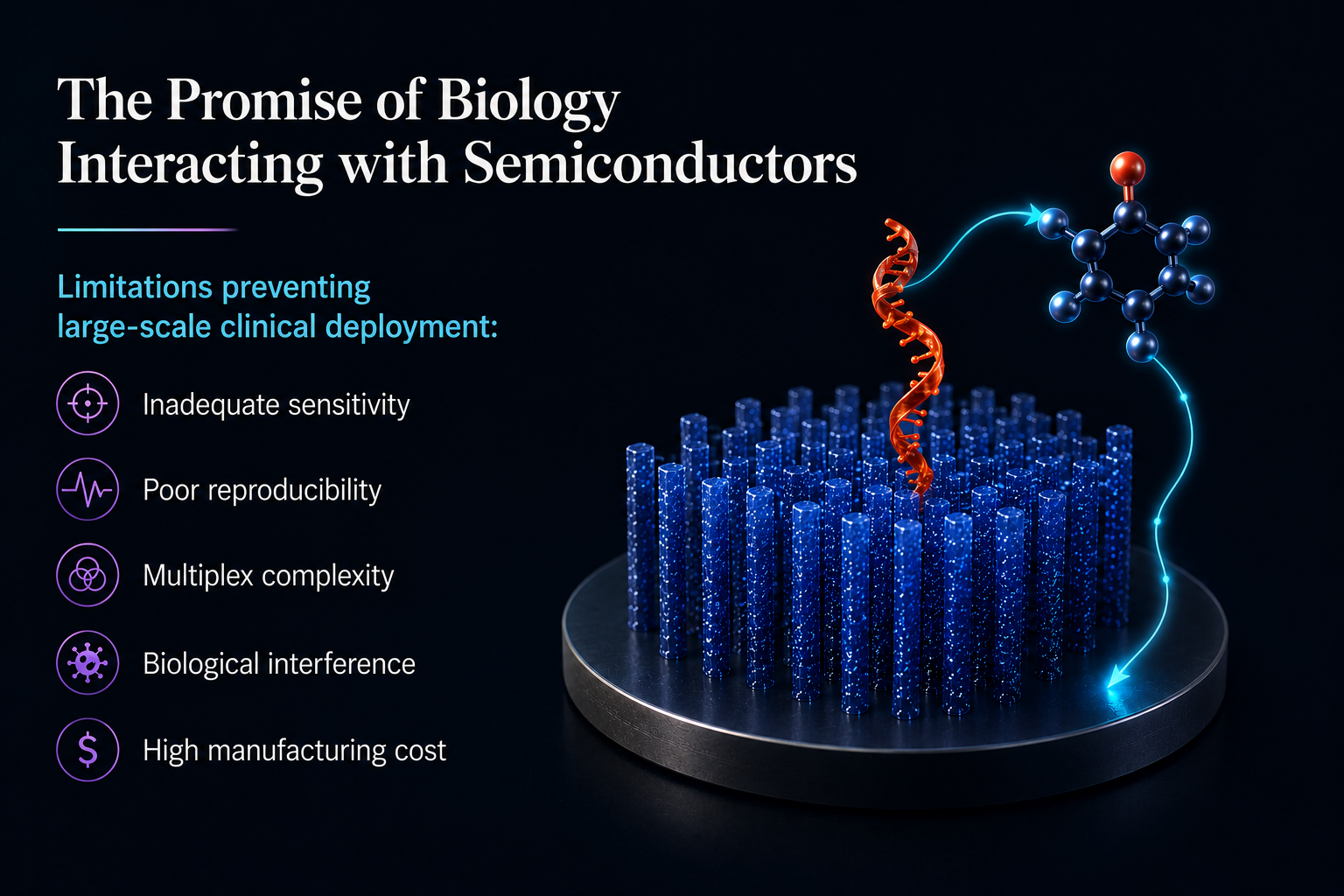
“Ultrasensitive detection of circulating tumor DNA or other low-abundance biomarkers in blood could transform cancer diagnostics, but the challenge is to develop cost-effective platforms that maintain high sensitivity without requiring expensive infrastructure.”
Commenting on advances in liquid biopsy
“The bottleneck for AI in precision health isn’t the algorithms—it’s the lack of affordable, multiplexed diagnostics that can detect low-concentration molecules like RNAs, proteins, and metabolites in a single assay. Until we solve this, precision medicine will remain a niche.”
The Lancet Digital Health
Technology Built Alongside Clinicians
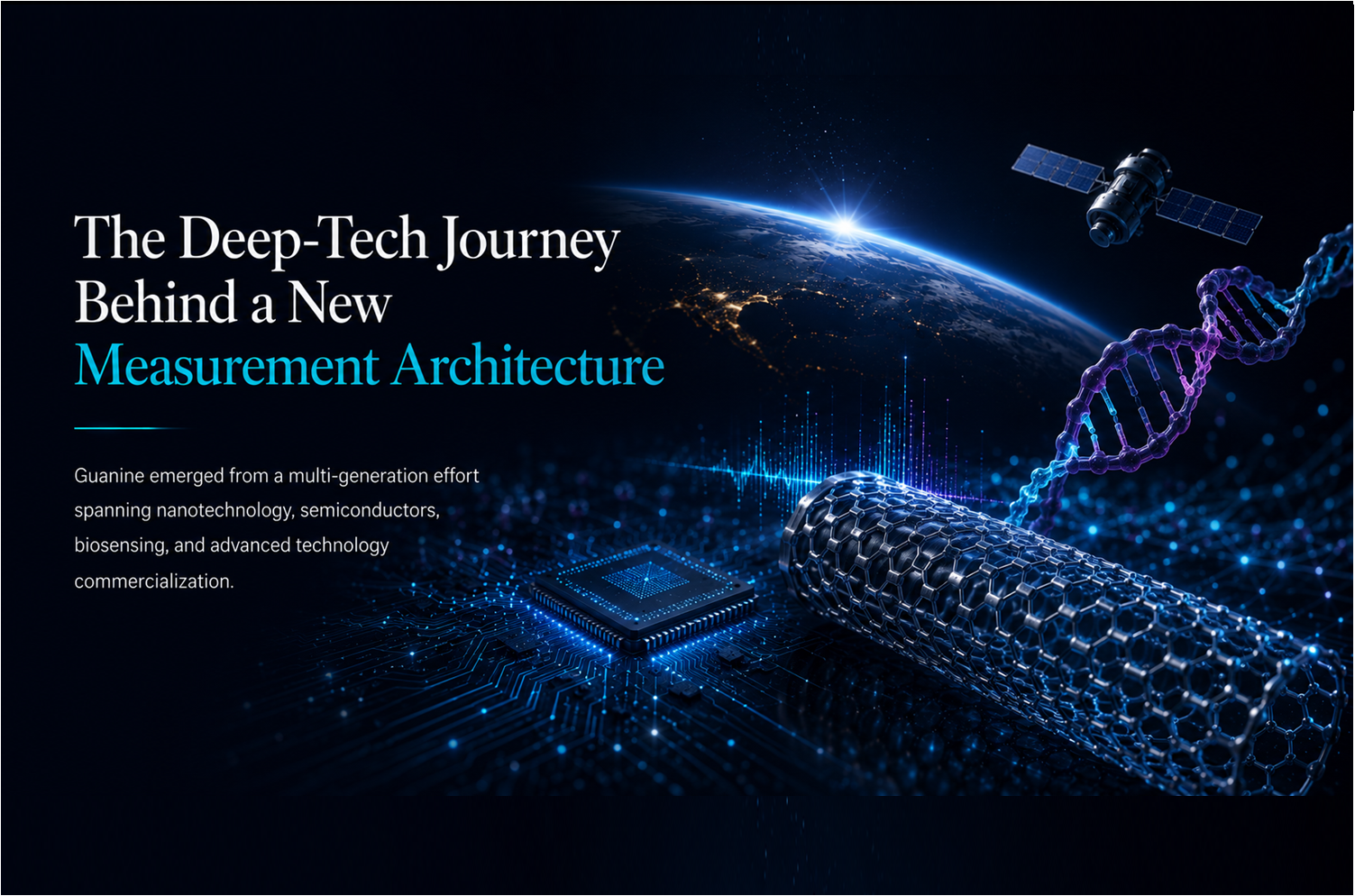
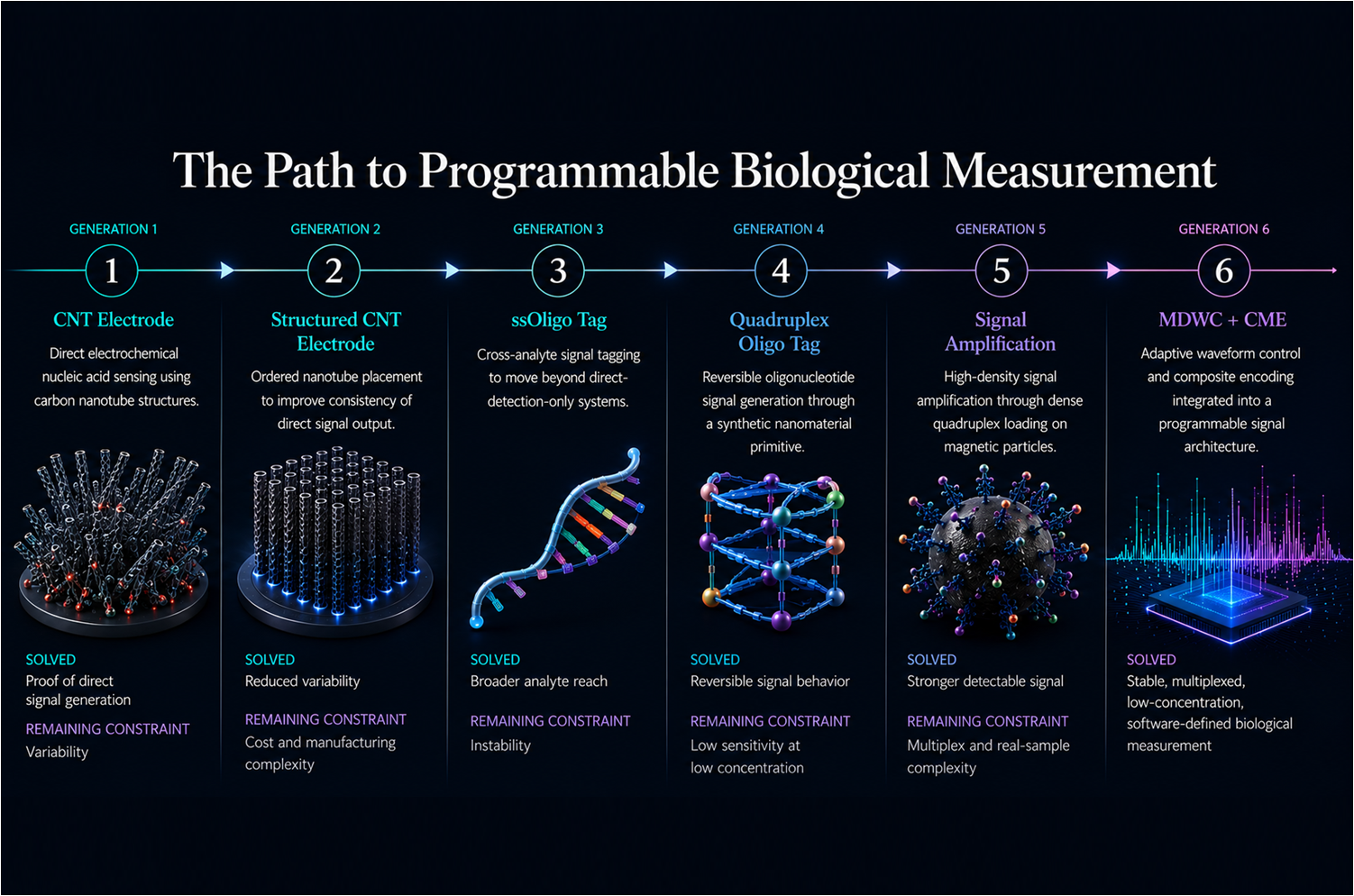
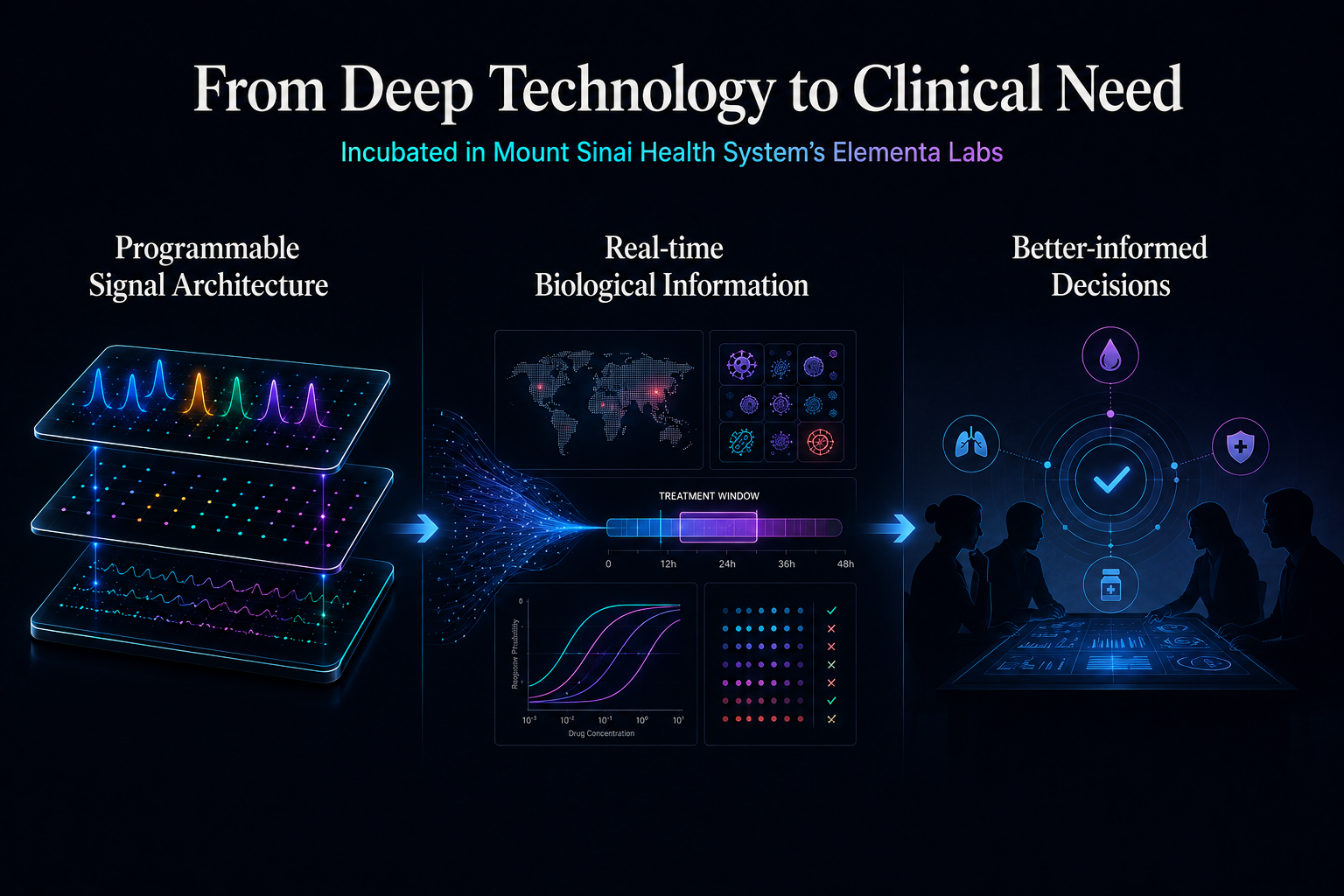
Guanine emerged from NASA-derived electrochemical sensing research and clinical incubation at Mount Sinai Health System. Through close collaboration with clinicians and scientists, we developed a new class of reversible redox tags and adaptive waveform control that enable biology to be read continuously, quantitatively, and at multiplexing scales not achievable with traditional approaches.
Guanine was founded to build the diagnostic platform healthcare has been missing—one that:
- Captures disease complexity in a single test
- Guides therapy earlier, with greater precision
- Scales globally at low cost
- Enables OEMs to rapidly build next-generation assays
- Unlocks precision health and AI-driven medicine for every patient
Diagnostics re-engineered from first principles.
Neil Gordon
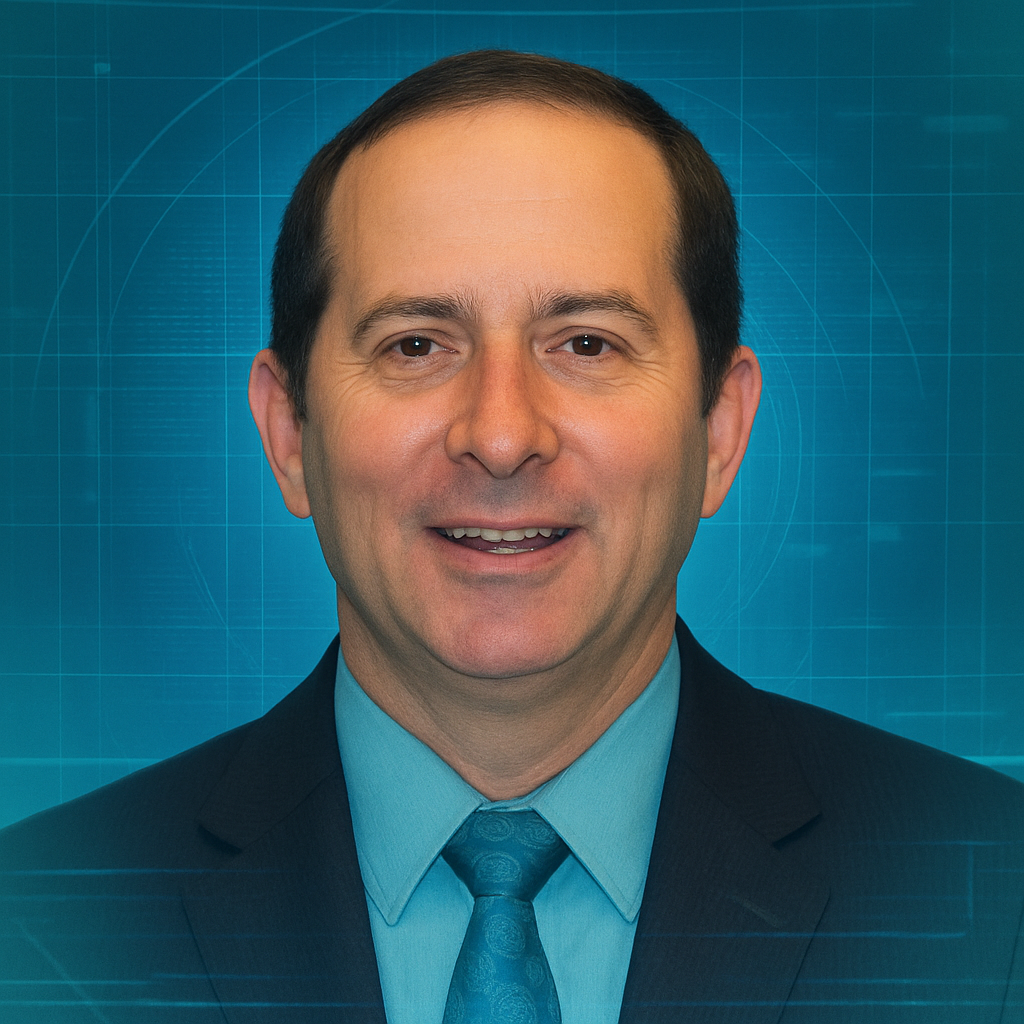
Neil Gordon is an engineer, MBA, and one of the earliest strategic voices in nanotechnology commercialization. His work spans nano–info–bio innovation with Taiwan's ITRI, co-founding the Canadian NanoBusiness Alliance, and leading commercialization for the NASA-aligned CANEUS micro-nano consortium. He later spun out a NASA carbon nanotube biosensor venture, gaining deep expertise in ultra-sensitive molecular detection.
At Guanine, Neil invented three generations of the universal electrochemical biosensing platform. These integrate stackable reversible tags, adaptive waveform control, composite multiplex encoding, and multi-omic measurement into a single architecture.
He collaborated closely with 15 clinical specialists at Mount Sinai—including experts in sepsis, infectious disease, emergency medicine, AMR stewardship, microbiology, point-of-care testing, quality systems, product design, and biolab validation. Their insights shaped the clinical design, workflow, and performance of the platform.
In 2025, Neil filed four new USPTO patent applications covering advances in multi-omic detection, culture-free phenotyping, precision waveforms, and OEM-ready diagnostic engines—positioning Guanine at the forefront of deep-tech diagnostics.